GHRH receptors
These receptors sit on growth hormone–producing cells in the pituitary. Tesamorelin activates them.
Explore Tesamorelin, a synthetic growth hormone-releasing hormone (GHRH) analogue studied for its effects on visceral abdominal fat and metabolic health. Discover how it works, what clinical trials reveal, and learn about the Body Pharm 32 mg prefilled pen available in Bali.
Growth hormone–releasing hormone is a signal that tells the pituitary gland to release growth hormone. Tesamorelin is a synthetic version of that signal. It acts upstream of growth hormone and can raise levels of insulin-like growth factor 1 (IGF-1).
Its established clinical indication in the United States concerns adults living with HIV who have lipodystrophy and excess abdominal fat. In that condition, changes in the distribution of fat can lead to a buildup around the organs. The pivotal studies measured that internal fat compartment with CT scans.
These receptors sit on growth hormone–producing cells in the pituitary. Tesamorelin activates them.
The pituitary responds by releasing the body’s own growth hormone. This hormone affects how tissues use and store energy.
Growth hormone stimulates production of IGF-1, including in the liver. IGF-1 is involved in growth and metabolic signaling.
Tesamorelin acts through the pituitary growth hormone pathway. This explains why its pivotal studies asked a different question from obesity trials of drugs that act on incretin receptors.
Tesamorelin binds to the receptor for growth hormone–releasing hormone on pituitary cells.
The pituitary responds by releasing growth hormone already made by the body. Direct growth hormone treatment supplies the hormone itself.
Growth hormone stimulates tissues, particularly the liver, to produce IGF-1. The Egrifta prescribing information discusses elevated IGF-1 as a safety consideration.
Growth hormone influences fat metabolism. Researchers measured changes in the area of visceral fat on abdominal CT scans to see the effect in adults with HIV-associated abdominal fat accumulation.
Falutz and colleagues randomly assigned 412 adults with HIV and abdominal fat accumulation to tesamorelin or placebo. The main outcome was the percentage change in the area of visceral adipose tissue (VAT) on a CT scan from baseline to week 26.
Mean reduction in CT-measured visceral abdominal fat in the tesamorelin group at week 26. The placebo group had a 5.0% increase.
| Trial measure | Tesamorelin | Placebo |
|---|---|---|
| Week 26 · visceral fat | −15.2% | +5% |
The first phase 3 trial found a 15.2% decrease in visceral fat with tesamorelin and a 5.0% increase with placebo. In a separate trial of 404 adults, Falutz and colleagues reported a 10.9% decrease with tesamorelin and a 0.6% decrease with placebo at six months. The figures differ by study.
In the extension of the first study, participants who continued tesamorelin had about 18% less visceral fat at week 52 than at the start. Those who switched to placebo regained visceral fat. The extension involved people who had already completed the initial treatment period.
Visceral fat lies inside the abdominal cavity around organs. Subcutaneous fat lies beneath the skin. A tape measure or bathroom scale cannot distinguish those compartments. The second phase 3 trial found no significant change in abdominal subcutaneous fat at six months.
The US Egrifta WR label describes the drug as weight neutral and excludes general weight management from its indications. A 15.2% change in VAT area cannot be applied to someone’s starting weight in kilograms or pounds.
Stanley and colleagues studied a separate group of people with HIV and fatty liver disease. At 12 months, the tesamorelin group had a greater decline in liver fat fraction than the placebo group, with an estimated between-group difference of 4.1 percentage points. Liver fat fraction and abdominal VAT are different measurements.
The pivotal study enrolled adults living with HIV who had abdominal fat accumulation, and 86% of participants were men. Its findings cannot establish an effect on cosmetic abdominal fat in the general population. Long-term cardiovascular safety remains uncertain in the US prescribing information.
A diagnosis, a tissue compartment, and an outcome all matter when comparing these studies. The tesamorelin trials selected people with HIV-associated abdominal fat accumulation. Most incretin obesity trials selected people on the basis of body weight and related conditions.
| Feature | Tesamorelin | Retatrutide | Tirzepatide |
|---|---|---|---|
| Receptor target | Pituitary GHRH receptor | GLP-1, GIP, and glucagon receptors | GIP and GLP-1 receptors |
| Outcome in the trials discussed here | Visceral fat area on CT | Change in total body weight | Change in total body weight |
| Study population | Adults with HIV and abdominal fat accumulation | Adults with obesity or qualifying overweight | Adults with obesity or qualifying overweight, studied separately with and without type 2 diabetes |
| US product status | Egrifta products for excess abdominal fat in adults with HIV-associated lipodystrophy | Investigational | Specific Mounjaro and Zepbound products are FDA-approved |
If an abdominal CT shows less visceral fat, the scale may show little change. Conversely, a change in total body weight does not reveal how much visceral fat a person lost. These trials cannot be ranked by placing their percentages side by side.
The Egrifta WR prescribing information lists injection-site reactions, joint pain, muscle pain, and fluid retention. It also discusses elevated IGF-1 and impaired glucose regulation. Active malignancy, pregnancy, certain disorders of the pituitary axis, and known hypersensitivity are contraindications.
FDA’s Egrifta WR label concerns a specific tesamorelin vial formulation for adults with HIV-associated lipodystrophy. It describes different handling requirements for Egrifta formulations. The document does not identify the 32 mg Body Pharm prefilled pen.
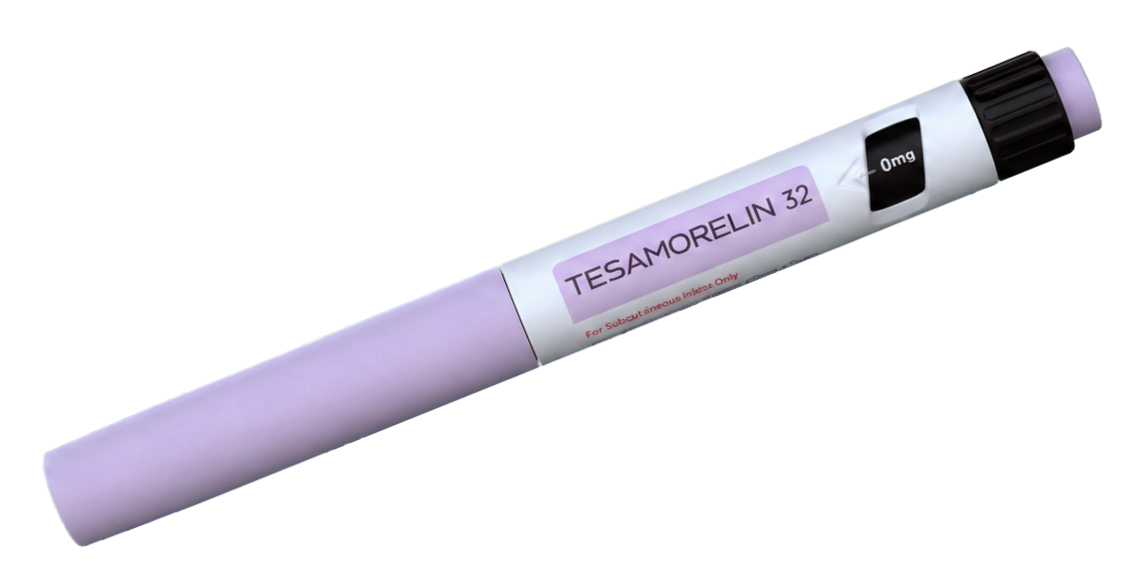
Match the lilac cap with the TESAMORELIN 32 name on the box. Open the label close-up if a photo in a message is too small to read.
| Specification | Details |
|---|---|
| Product | Tesamorelin |
| Brand | Body Pharm |
| Format | Prefilled pen |
| Total per pen | 32 mg |
| Price per pen | IDR 2,900,000 |
| Storage on the label | 2–8°C, protected from light |

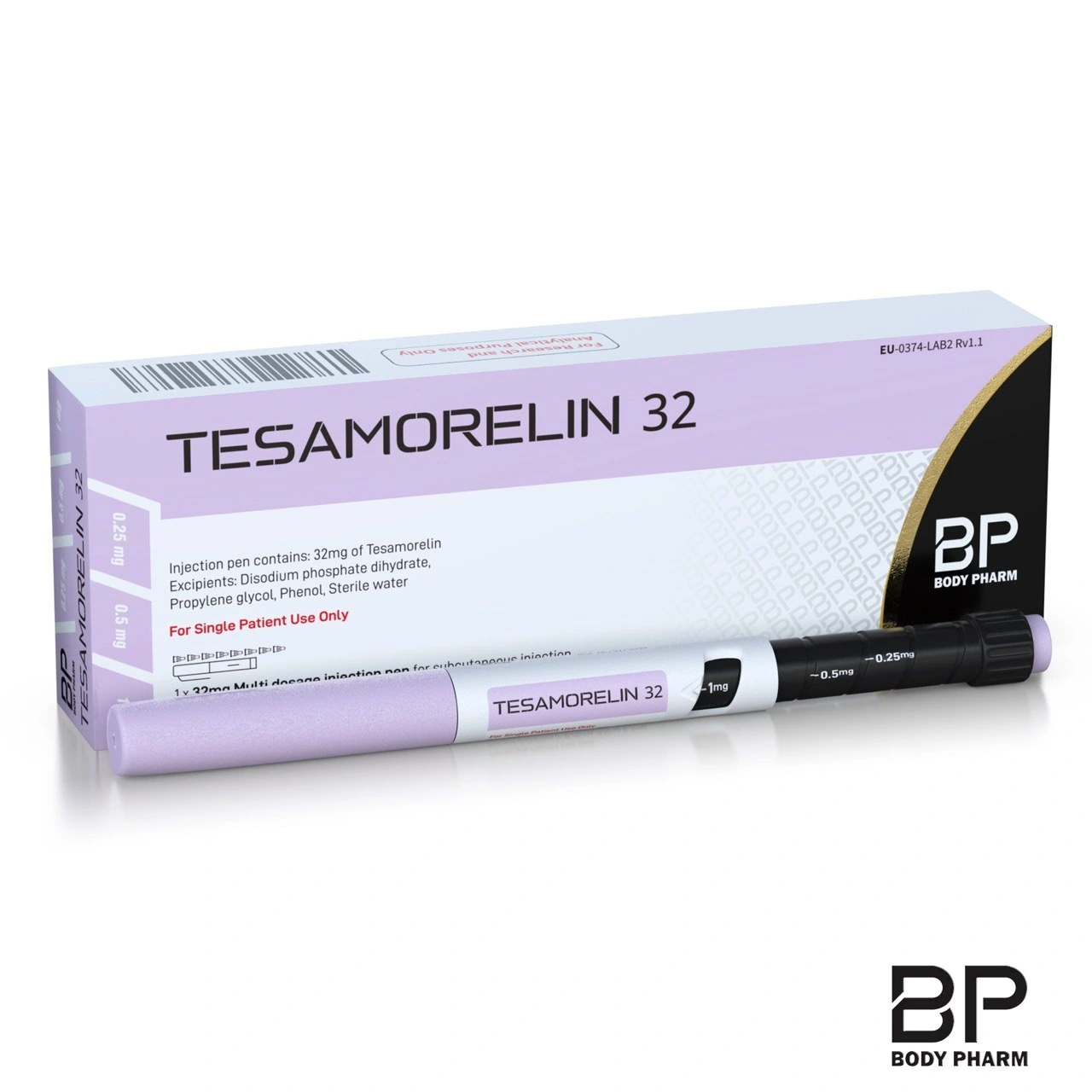

You can read the manufacturer’s report here. To check your own carton, ask for the document with the same batch number as the box.
The label gives a storage range of 2–8°C. Keep the carton away from light and the freezer. If it arrives warm or damaged, keep the packaging and contact the team before using it.
See the amount and price for each complete pen.
Tesamorelin is a synthetic analogue of growth hormone–releasing hormone. It stimulates the pituitary to release growth hormone made by the body. Researchers studied its effect on excess visceral abdominal fat in adults with HIV-associated lipodystrophy. The original trial used CT scans to measure that fat compartment.
Tesamorelin activates GHRH receptors in the pituitary gland. This triggers growth hormone release, which in turn increases production of IGF-1 and influences fat metabolism. In clinical trials, researchers linked changes in this pathway to changes in visceral adipose tissue measured with imaging.
No. Tesamorelin acts as the signal that prompts the pituitary gland to release its own growth hormone. Human growth hormone is a different molecule. This distinction matters because tesamorelin relies on a functioning pituitary growth hormone pathway.
Visceral fat lies deep inside the abdominal cavity, around organs. Subcutaneous fat sits under the skin. A waist measurement includes both, while a CT scan lets researchers measure the visceral compartment separately. That is the measurement reported in the tesamorelin trials.
“Belly fat” can refer to more than one tissue. In the 2007 randomized trial, adults with HIV and abdominal fat accumulation had less visceral fat on CT after 26 weeks of tesamorelin. This result does not establish a benefit for cosmetic fat reduction or for subcutaneous fat in people without that condition.
The US Egrifta WR label describes a weight-neutral effect and does not authorize general weight-loss treatment. The pivotal trial’s 15.2% reduction concerned the area of visceral fat on a CT image. Multiplying a person’s body weight by that percentage would give a misleading result.
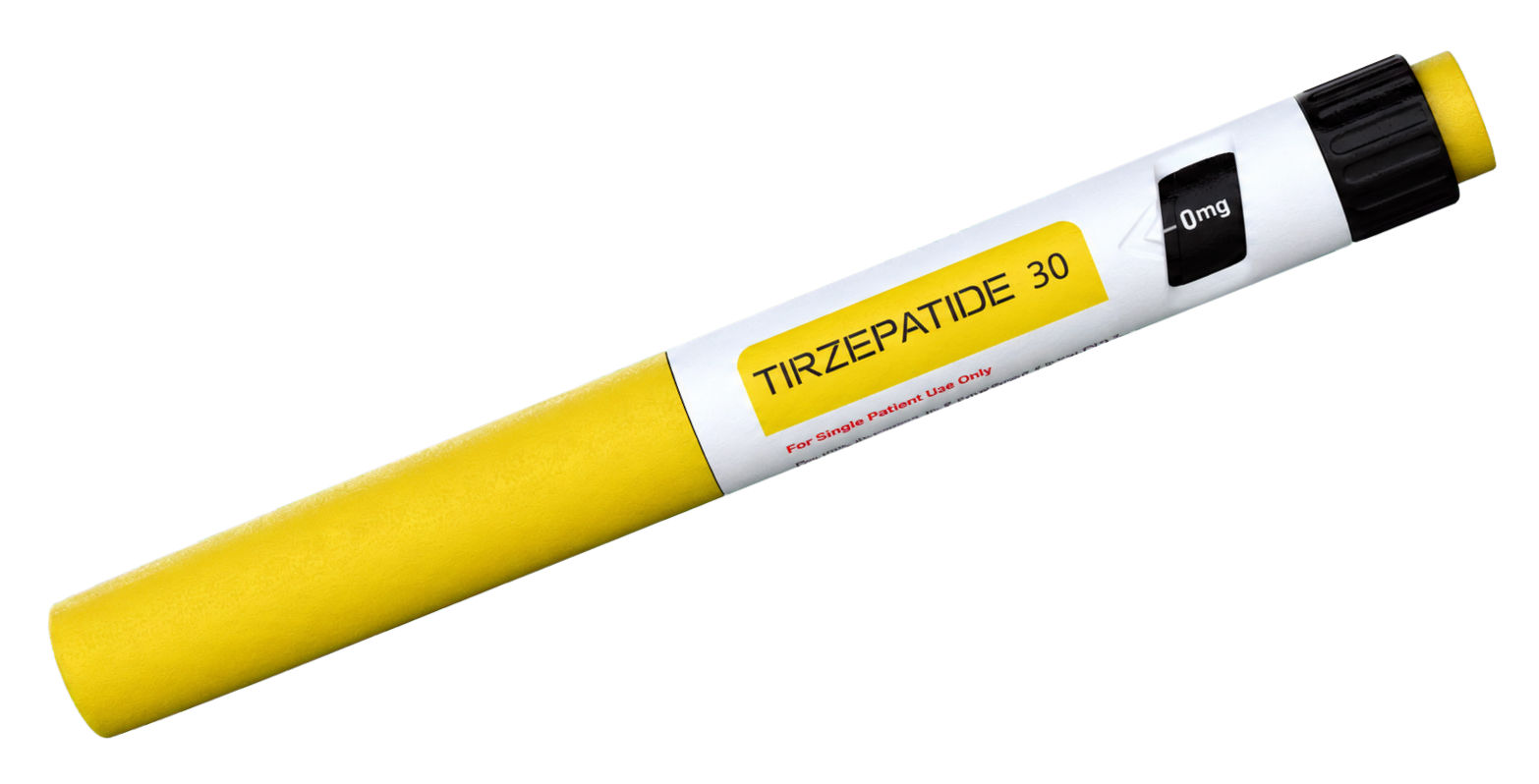
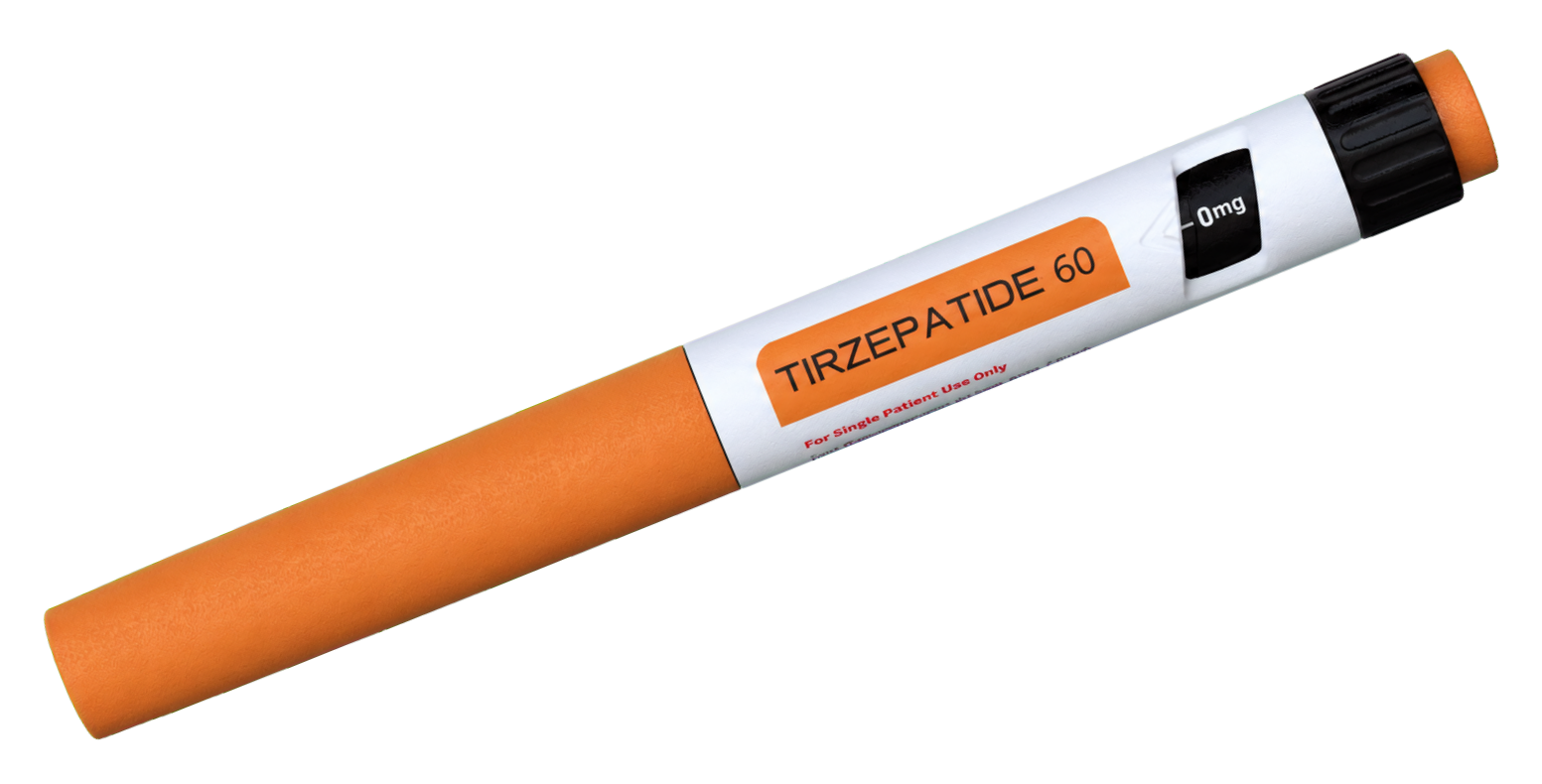
Tesamorelin activates the pituitary growth hormone–releasing hormone pathway. Its established US indication concerns excess abdominal fat in adults with HIV-associated lipodystrophy. Tirzepatide acts on the GIP and GLP-1 receptors. Its obesity trials measured percentage change in total body weight, and specific tirzepatide products have approvals for weight management and type 2 diabetes.
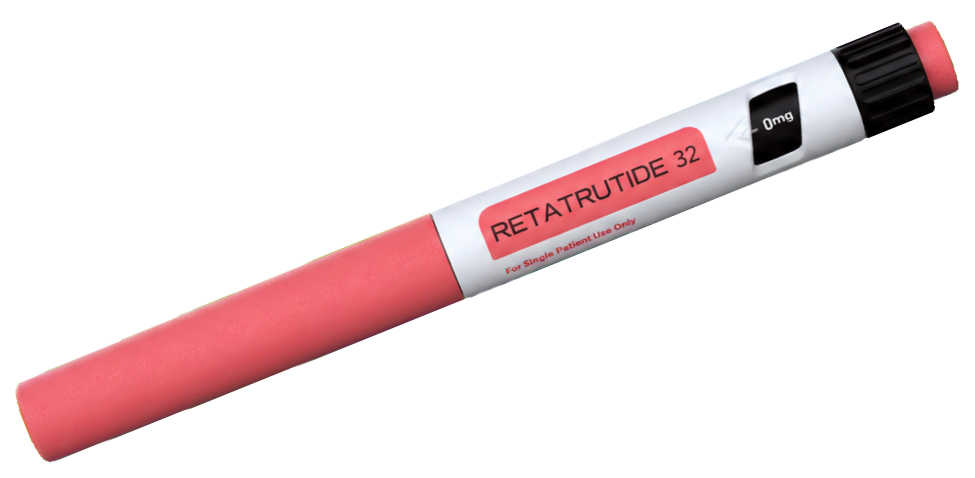
Tesamorelin influences growth hormone release and has an established, formulation-specific indication in adults with HIV-associated lipodystrophy. Retatrutide is an investigational agonist at GLP-1, GIP, and glucagon receptors. Its obesity trials examined body weight. A percentage change in visceral fat in the tesamorelin trial cannot be compared directly with a percentage change in total weight.
The US label lists injection-site reactions, joint pain, muscle pain, and fluid retention. Tesamorelin can raise IGF-1 and affect blood glucose. The prescribing information also explains precautions around malignancy and contraindications including pregnancy and disruption of the pituitary axis. Those safety data relate to the labeled prescription formulation.
FDA approved specific Egrifta formulations for reducing excess abdominal fat in adults with HIV-associated lipodystrophy. The approved indication excludes general weight management. The Egrifta WR label describes a vial formulation. It does not identify the Body Pharm 32 mg prefilled pen as an approved product.
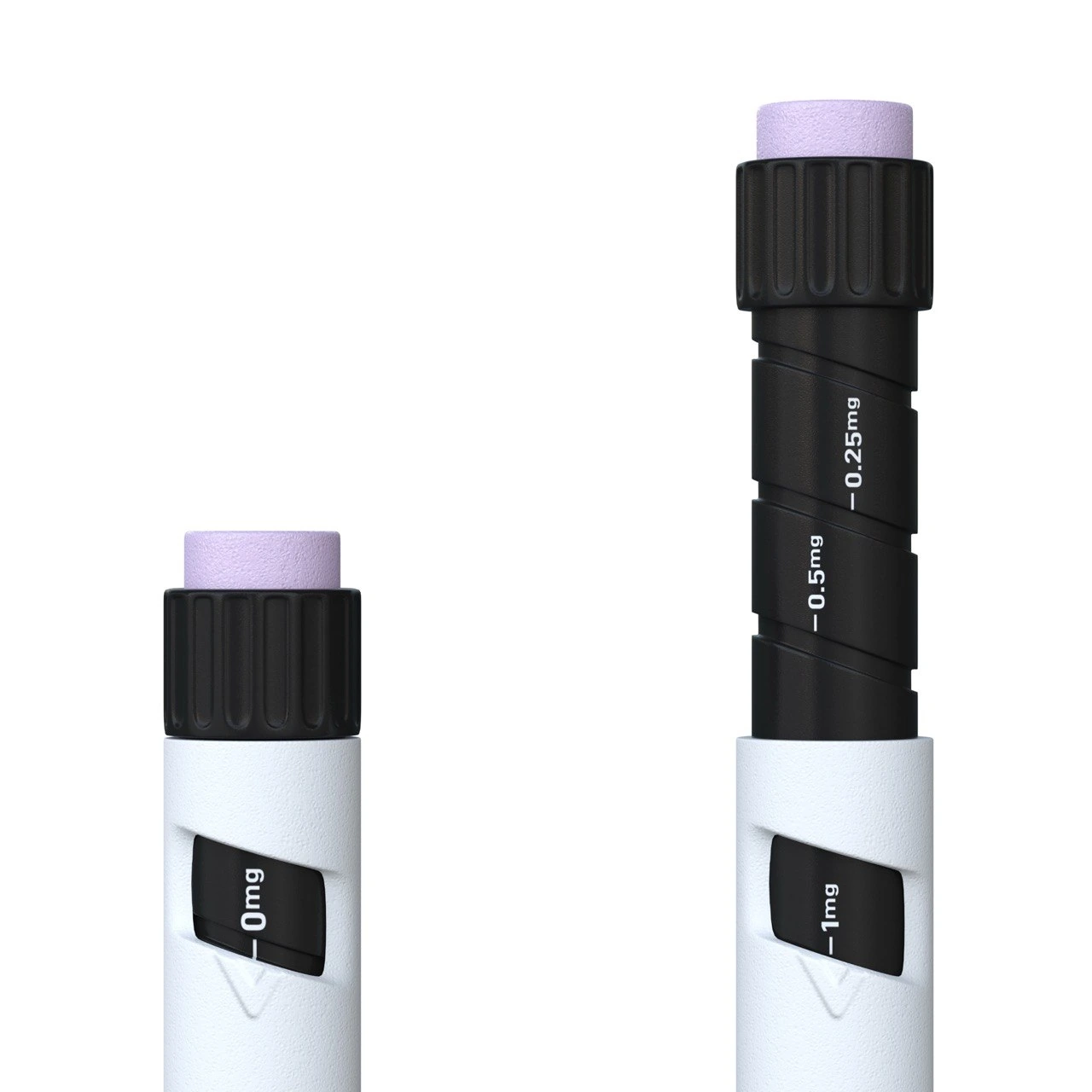
The number refers to the total stated amount of tesamorelin in the entire Body Pharm pen. It identifies the catalog format. It does not give an individual dose, the quantity dispensed by a selector setting, or the number of days it would last.
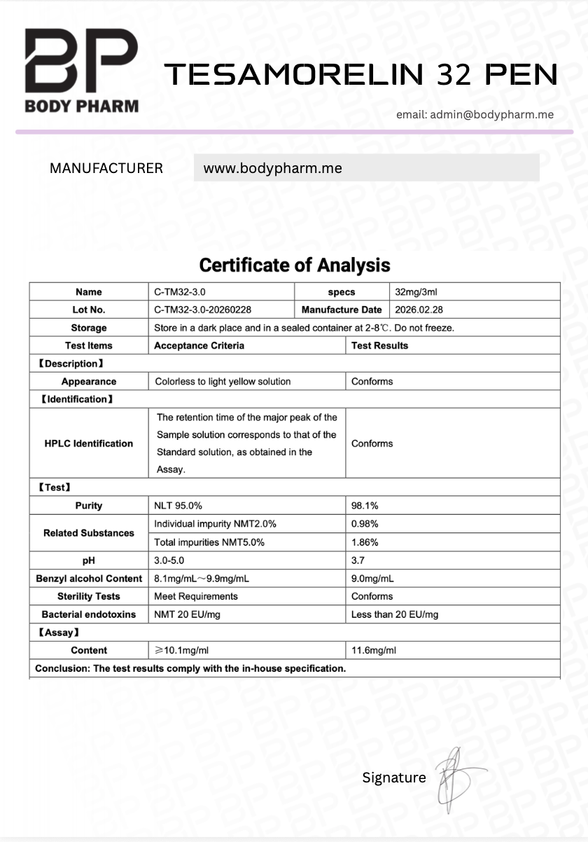
Body Pharm’s certificate for the 32 mg pen identifies lot C-TM32-3.0-20260228. It specifies a sealed container in a dark place at 2–8°C and says to avoid freezing. Check the instructions for the lot supplied. Other tesamorelin formulations, including prescription vials, have their own storage conditions.
The references include the original 26-week trial by Falutz and colleagues, its 52-week extension, a second phase 3 trial, and the liver-fat trial by Stanley and colleagues. The original trial is also registered as NCT00123253. Each reference identifies the population, measurement, and follow-up period.
Explore peer-reviewed clinical studies investigating tesamorelin, visceral adipose tissue and metabolic outcomes.
CT-measured visceral fat decreased by 15.2% with tesamorelin and increased by 5.0% with placebo.
Read Original StudyAmong those who continued tesamorelin, visceral fat remained about 18% below baseline at week 52. Visceral fat returned toward baseline after switching to placebo.
Read Original StudyIn the initial comparison, visceral fat declined by 10.9% with tesamorelin and 0.6% with placebo. The investigators also assessed abdominal subcutaneous fat.
Read Original StudyThe between-group difference in liver fat fraction was −4.1 percentage points at 12 months. The trial measured liver fat in people with HIV and fatty liver disease.
Read Original StudyThe registry describes the trial design and the CT-based visceral fat endpoint used in the 2007 publication.
View the trial recordThe indication concerns excess abdominal fat in adults with HIV-associated lipodystrophy. The label describes a weight-neutral effect, formulation-specific storage requirements, and safety warnings.
Read the official informationTell us how many Tesamorelin pens you want and where in Bali you are staying. We can confirm availability, the delivered price and a time that works for you.